Entry · Ref ZW5-ZI9I
When to Call a Stump Grinding Service and What to Expect
- Posted
- 2026-11-02
- Last amended
- 2026-11-02
- Account
- @thestumpgrindingserviceworks
Cutting down a tree is only half the job. The trunk comes down, the brush gets hauled away, and for a moment the property looks cleaner. But what remains under that fresh layer of grass or mulch is a stump, often with a root system that spreads several feet in every direction. That leftover stump can become a tripping hazard, a home for pests, and an obstacle to any future landscaping plans. Removing it properly takes more than just a saw and a strong back. This is where a professional stump grinding service becomes the practical answer.
The Difference Between Stump Removal and Stump Grinding
Many homeowners assume that once a tree is down, the stump must be dug out completely. That process, often called stump removal, involves excavating the entire root ball. It is heavy work that leaves a large hole, requires heavy equipment, and can damage nearby lawns, driveways, or underground utilities. Stump grinding is different. A grinder uses a rotating cutting wheel to chip the stump away into small wood chips, typically going six to twelve inches below ground level. The roots remain in the soil, but the visible part of the stump is gone. The leftover wood chips can be used as mulch or hauled away. For most residential properties, grinding is the cleaner, faster, and more affordable option.
I have seen properties where homeowners tried to burn out a stump or rot it with chemicals over several seasons. Those methods are slow, unpredictable, and sometimes dangerous. A stump grinding service handles the job in a matter of hours, not years, and leaves the yard ready for replanting or resodding almost immediately.
Why You Might Need a Stump Grinding Service
There are several practical reasons to bring in a stump grinding service after a tree removal. The most obvious is safety. A stump hidden in tall grass or near a walkway can cause someone to trip. Children running through the yard, elderly visitors, or even the homeowner carrying groceries can catch a foot on a low stump and fall. Grinding it down eliminates that risk entirely.
Pests are another concern. Stumps left in the ground attract termites, carpenter ants, and beetles. Over time, those insects can spread to nearby trees or even to the wooden structure of a house. I have walked properties where a rotting stump was the clear source of a termite problem that had moved into a porch. Removing the stump early would have saved the homeowner a costly pest control treatment.
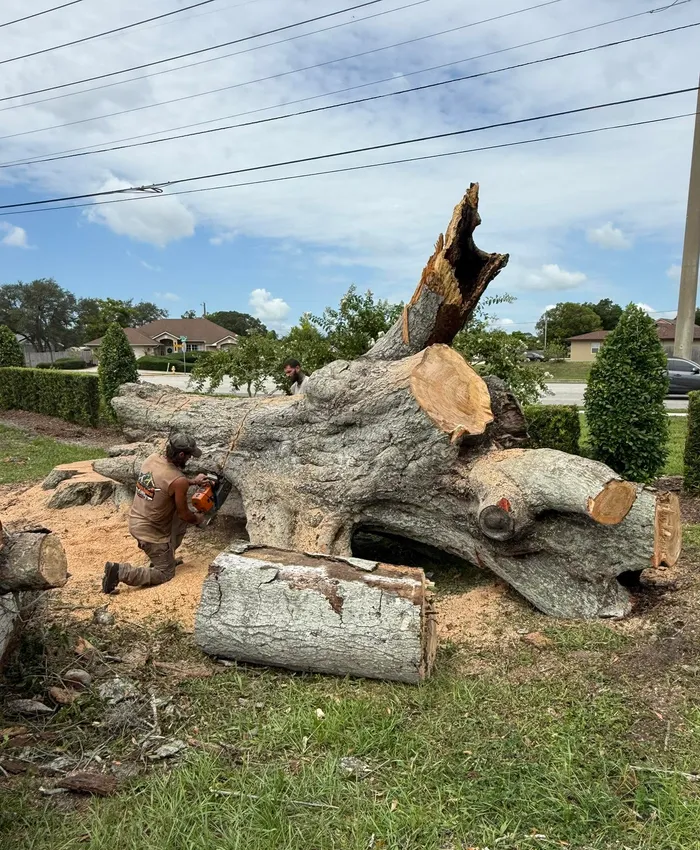
There is also the matter of lawn maintenance. Mowing around a stump is awkward and leaves an unkempt look. The mower blades can hit the stump, dulling them instantly. Grinding the stump flush with the ground lets the mower pass right over the area, and within a season the grass fills back in.
What the Process Looks Like
When the crew arrives, they will assess the stump and the surrounding area. They look for buried irrigation lines, underground cables, or shallow roots that might interfere with the grinder. A professional operator will mark any known hazards and may ask about invisible ones like sprinkler lines or invisible dog fences. The grinder itself is a heavy machine, often self-propelled with tracks or wheels. It is maneuvered into position over the stump, and the cutting wheel is lowered onto the wood.
The grinding wheel spins at high speed and chips away the stump layer by layer. The operator controls the depth and direction from a safe distance. The process produces a pile of wood chips and sawdust. Some companies leave the chips on site as a free mulch, which can be spread around garden beds or used to fill the depression left by the stump. Others will haul the debris away for an additional fee.
One thing I always tell property owners is to expect a small depression after the grinding. The stump itself occupied space, and once it is ground into chips, the volume of material left is not enough to fill the hole completely. Over time, the chips settle and the ground may sink slightly. Topsoil and grass seed will bring it back to level within a few months.
Timing and Seasonality
Stump grinding can be done year-round in most climates, but dry conditions make the job easier. Wet soil can cause the machine to sink or become bogged down, and wet wood tends to gum up the grinding wheel. In Florida, where the ground stays damp for much of the year, a good operator knows how to work around those conditions. They may bring in extra equipment like a towable grinder for tight spots or use a smaller machine for stumps near fences or foundations.
If you have multiple stumps from a large tree removal, it is usually more efficient to have them all ground at the same time. The crew is already on site with the equipment, and they can work through several stumps in a single visit. That saves on travel fees and minimizes disruption to the yard.
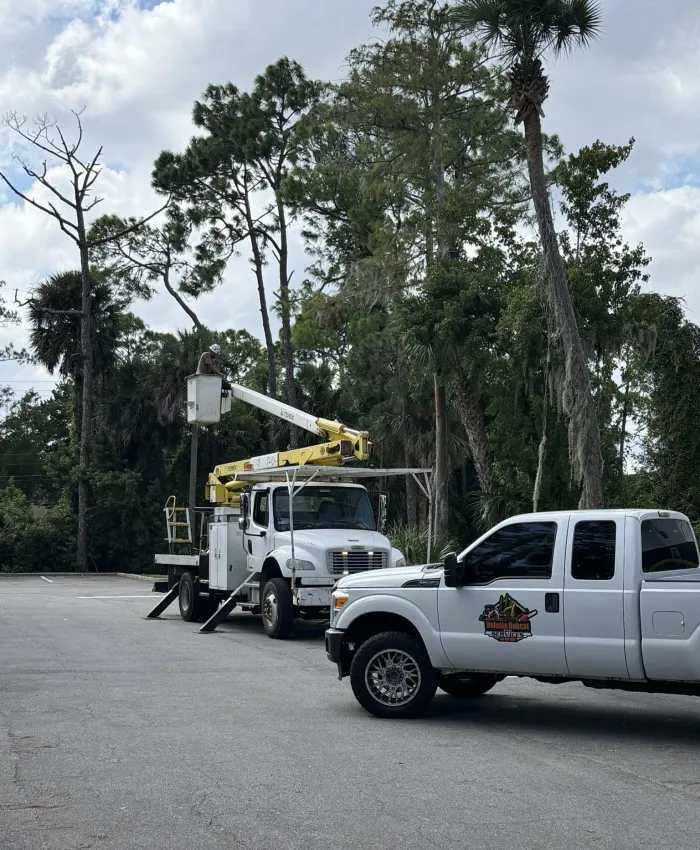
Cost Factors and What Affects the Price
Pricing for stump grinding depends on several variables. The diameter of the stump is the main factor. A small stump from a young tree might cost less than a hundred dollars, while a large stump from a mature oak can run several hundred. Accessibility matters too. A stump in the middle of an open lawn is easy to reach. A stump tucked behind a shed, next to a fence, or on a steep slope will take more time and care. The number of stumps also influences the per-stump price, since the crew can spread the travel and setup cost across multiple jobs.
Some companies charge by the inch, others by the hour. I have seen quotes vary widely for the same stump, so it pays to get at least two estimates. Ask whether the price includes cleanup and whether the crew will grind below grade. Most standard jobs go six to eight inches deep, which is enough for grass to grow over the spot. If you plan to plant a tree or build something in that exact location, you may want deeper grinding, which costs extra.
Safety and Professional Judgment
Stump grinders are powerful machines, and they are not toys. Kickback, flying debris, and rotating cutting wheels can cause serious injury. A professional operator wears hearing protection, eye protection, and heavy clothing. They also take care to keep bystanders and pets well away from the work area. I have seen homeowners try to rent a small grinder from a local equipment yard and tackle the job themselves. It can be done, but the rented machines are often less powerful and harder to maneuver than commercial units. The time and frustration involved, plus the risk of hitting a buried utility line, usually make the professional service a better choice.
Connect with us on Facebook.
Another thing to consider is the root system. A grinder only removes the stump itself. The larger roots remain underground and will eventually rot. That is fine for most purposes, but if you plan to install a patio or a retaining wall in that area, you may need to have the roots excavated. A stump grinding service can advise you on that after they see the site.
After the Job
Once the grinding is done, you are left with a pile of wood chips and a shallow hole. Spread the chips around the area or move them to a garden bed. Level the depression with topsoil and sow grass seed or lay sod. Within a few weeks, the spot will blend in with the rest of the lawn. If you have a larger area that needs fill, you can order a load of clean topsoil from a landscape supply yard. The chips themselves break down over time and add organic matter to the soil, which is a nice bonus.
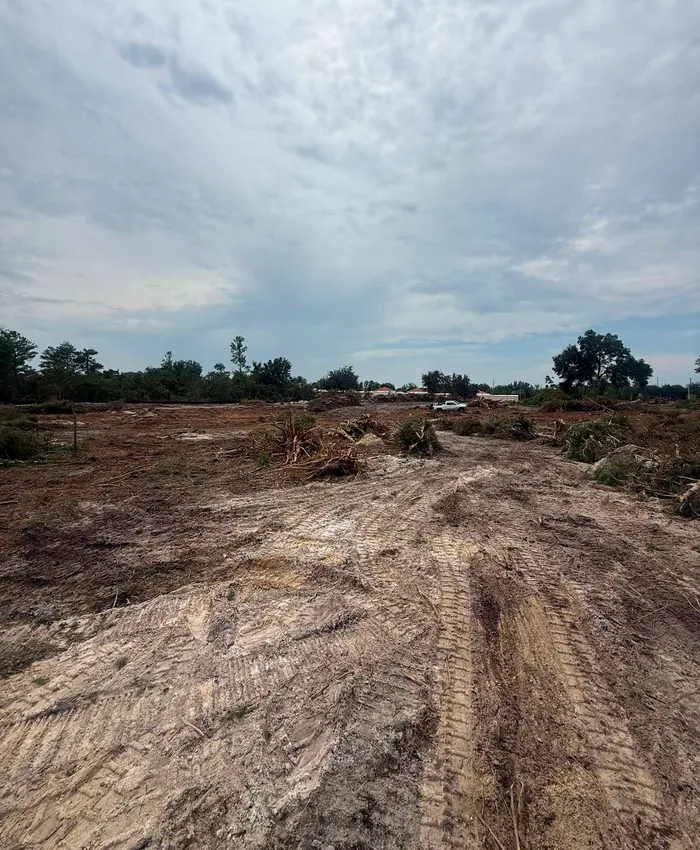
I have seen properties where the homeowner ground the stump but never filled the hole. Months later, the depression collects water and breeds mosquitoes. A little bit of finish work makes a big difference in the final look. Do not skip that step.
For residents of Volusia County, Florida, local companies understand the specific soil conditions and tree species common to the area. Volusia Bobcat & Tree Service, located at 210 Valencia Rd, DeBary, FL 32713, USA, and reachable at +1 386-675-7898, offers professional tree removal, trimming, stump grinding, emergency services, and firewood sales as a locally rooted tree service company serving the community.